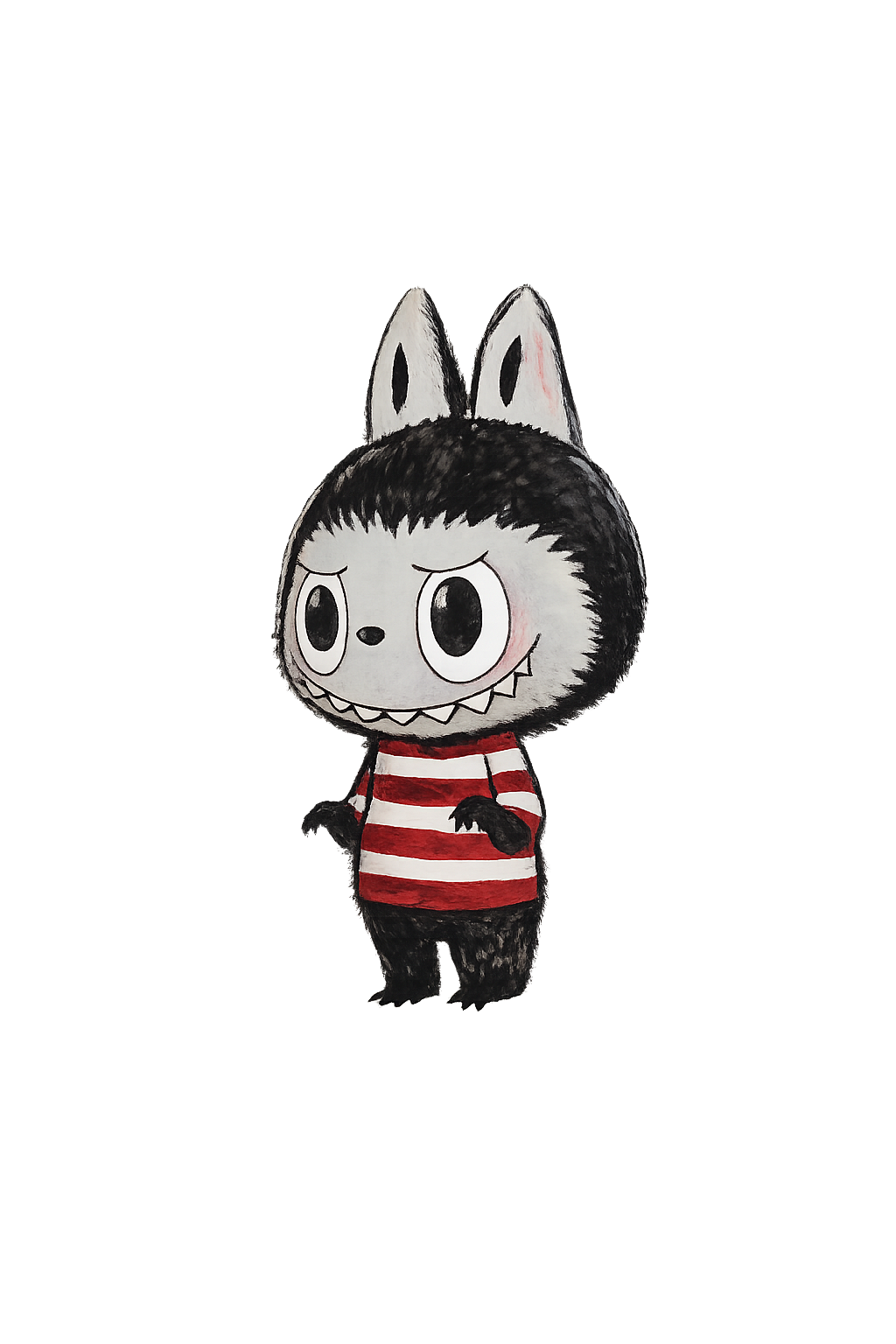
Asia Aisle IP Lab · April 2026
The Feeling Machine
How Pop Mart built a multi-billion-dollar company by distributing a feeling it never needed to understand, and what happens now that understanding has become mandatory.
Asia Aisle IP Lab · April 2026
How Pop Mart built a multi-billion-dollar company by distributing a feeling it never needed to understand, and what happens now that understanding has become mandatory.
On March 25, 2026, Pop Mart International reported the best financial year in its history. Revenue reached approximately $5.1 billion, a 184.7% increase over the prior year.¹ Net profit surged 308% to approximately $1.75 billion.¹ The company had grown faster than almost any consumer brand of comparable scale anywhere in the world.
By the close of trading that week, Pop Mart's shares had fallen 31%.¹
The market was not disputing the results. The selloff came down to a single question: what happens when a single character is responsible for nearly half the revenue. A single character called Labubu, a grinning forest creature sold as a plush toy and bag charm, had generated approximately 40% of the company's total global revenue in 2025, up from 23% the year before.¹ The company's other characters had posted results below internal expectations. Inventory turnover had risen to 123 days, up from 81 days the prior year.¹ Management's forward guidance projected growth of "just over 20%" for 2026, a deceleration from 185% that prompted the selloff.¹
What the market understood, and what the company's own figures confirmed, was that Pop Mart's extraordinary performance had been built on a single character's extraordinary moment. That moment showed early signs of passing. Google search interest for Labubu in the United States, which had peaked in mid-2025,² had declined sharply through the back half of the year while the company's retail buildout was accelerating. The stock's collapse, which wiped approximately $33 billion USD, roughly half the company's peak valuation,¹ over five trading sessions, said less about the past than about the future.
The company had already signaled its answer. Six days before the earnings report, on March 19, 2026, Pop Mart and Sony Pictures jointly confirmed³ that Paul King, the British filmmaker behind Paddington, Paddington 2, and Wonka, had been attached to direct a Labubu feature film. Steven Levenson, the Tony Award-winning writer of Dear Evan Hansen, was named as co-writer. Kasing Lung, the Hong Kong-born illustrator who created Labubu in 2006, was attached as executive producer. The film would be a hybrid of live-action and computer-generated imagery, the same format King had used for the Paddington franchise. Pop Mart's founder, Wang Ning, confirmed the approach in a statement to Xinhua, China's state news agency: "a very warm and touching story" in which Labubu enters the human world.⁴
Wang Ning called what his company sold IP: the characters and brands, not the stories behind them. He had spent the previous five years arguing, in public and in press, that IP did not need a story to succeed. The film announcement marked the moment at which the company's governing philosophy had run out of runway.
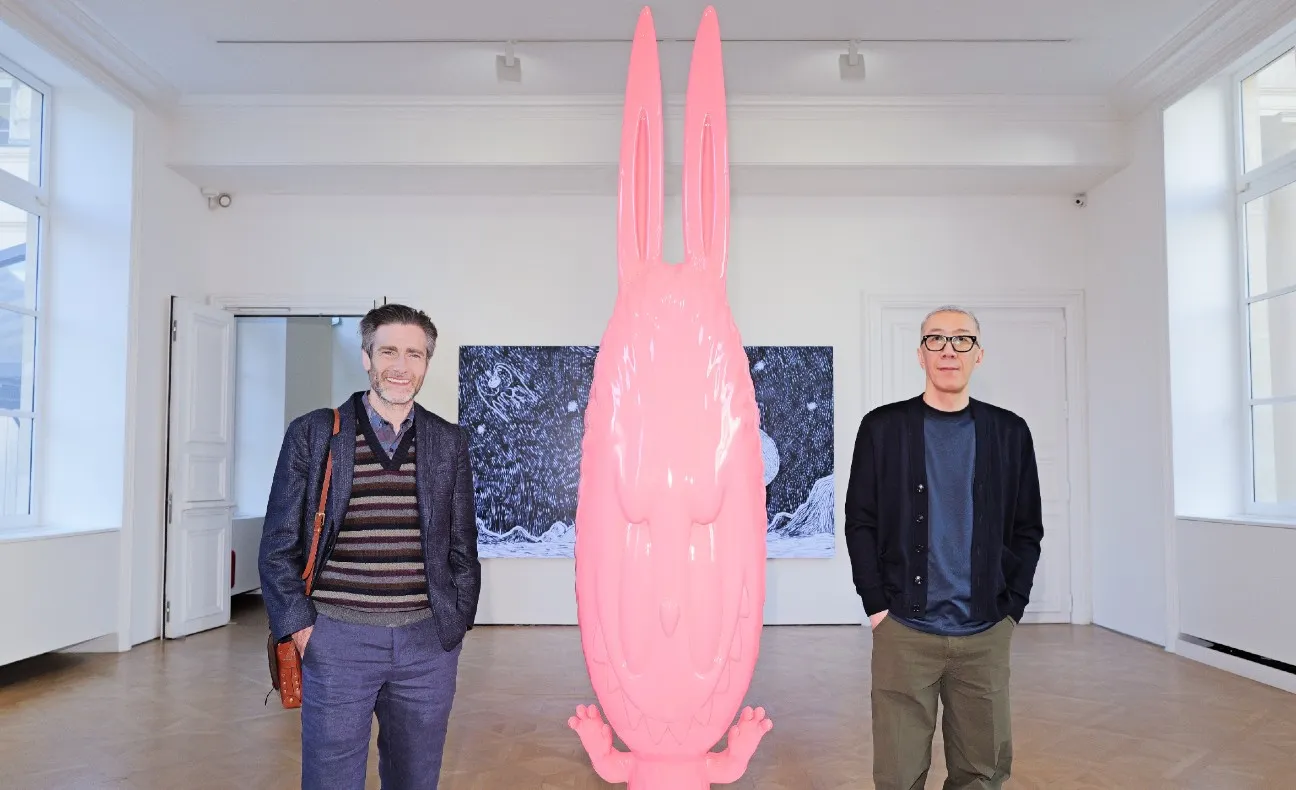
Wang Ning did not begin with a philosophy about blank-canvas IP. He began with a retail concept inspired by LOG-ON, the Hong Kong retail chain he encountered in 2010⁵ ⁶ while visiting his girlfriend Yang Tao, who was completing her master's degree in the city. LOG-ON mixed toys, cosmetics, and stationery in a format that felt unlike any retail he had seen in Beijing. He returned and opened Pop Mart, initially a general-format lifestyle store that sold, among other things, imported collectibles.
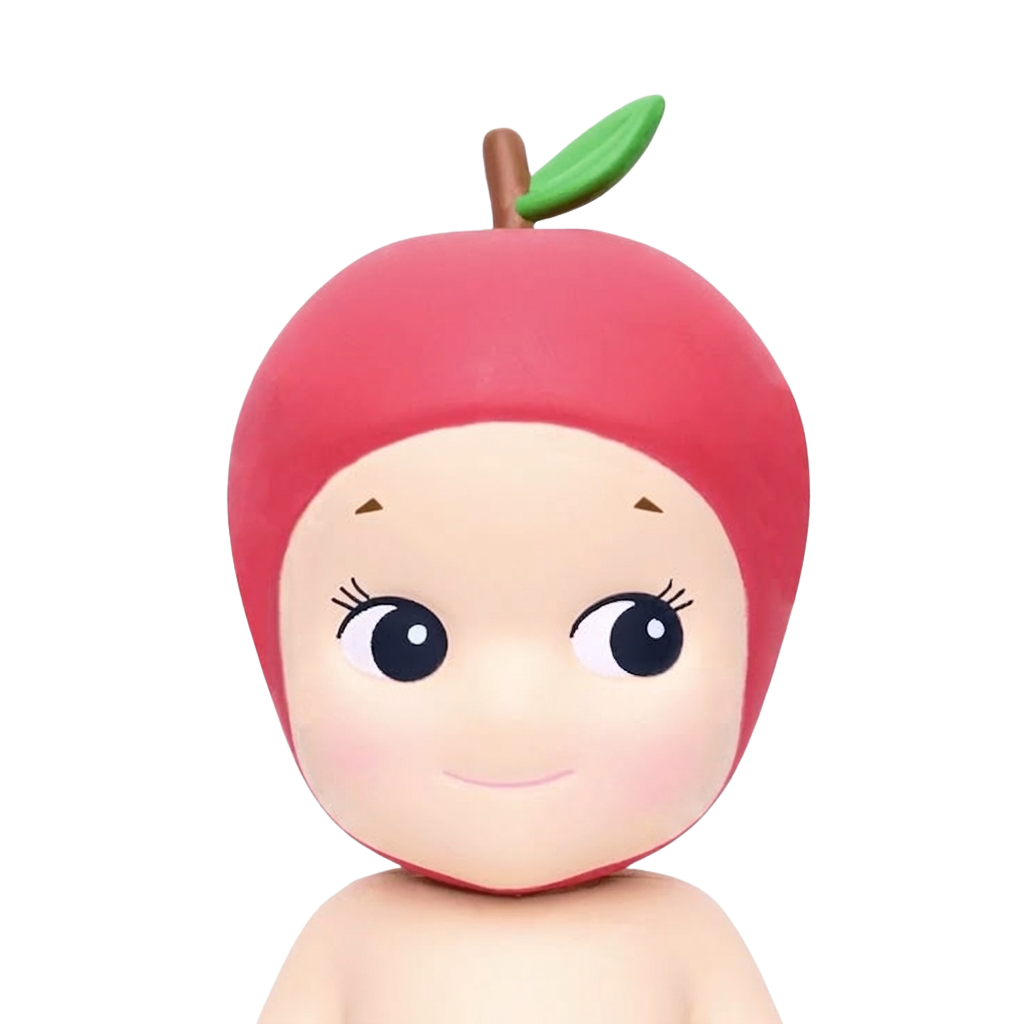
The pivot to character IP came from data. In 2015, Wang Ning noticed that a Japanese plush toy called Sonny Angel was generating approximately 30% of Pop Mart's total revenue from a small display in one of his Beijing stores.⁵ ⁶ He approached the Japanese distributor about an exclusive arrangement. The response was a refusal. The dependence on a single licensed product that Pop Mart did not own and could not control nearly ended the company. Wang Ning needed an immediate replacement. He needed an IP that was visually distinctive, legally owned, and did not require the kind of deep narrative infrastructure that would take years to build.
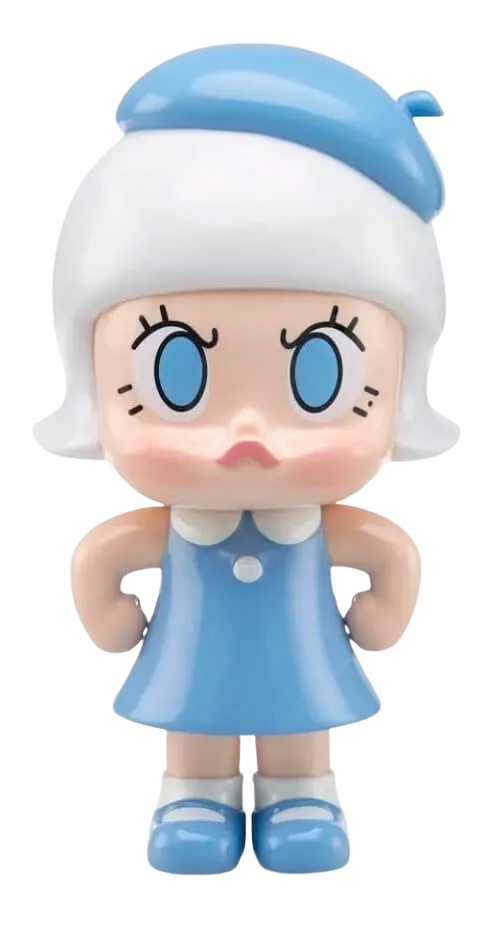
In 2016, he flew to Hong Kong to sign Kenny Wong, a designer whose Molly character, a wide-eyed girl with a pursed expression, had been selling in limited art-toy editions.⁵ ⁶ Molly had no backstory, no canonical personality, no official history. Wang Ning did not consider this a deficiency. He considered it, at least in the framing he would later apply to it, a feature.
The "no story needed" philosophy was publicly codified between 2020 and 2021, by which point Pop Mart had listed on the Hong Kong Stock Exchange and begun the process of explaining itself to institutional investors and international press. In 2020, the Chinese business publication Jiemian News recorded Wang Ning's formulation: "IP doesn't need a story because everyone can project their own story onto it."⁷ The characters were designed as projection surfaces: blank faces, no backstory, nothing for the consumer to argue with. The absence of canonical narrative was the point.
The formulation was not dishonest. It described something real about how Pop Mart's products worked and why consumers responded to them. But it also reframed, with considerable elegance, an organizational constraint. Pop Mart had no narrative production capability. It had no story development function, no chief narrative officer, no internal creative pipeline for building character mythology. In early 2026, 36Kr, a Chinese tech publication, reported that Pop Mart's internal animation effort had "ended without results."⁸ The finding confirmed what the organizational chart had always implied: the company was a product company, not a storytelling studio, and nothing in its operations was designed to change that.
By March 2026, Wang Ning's framing had shifted. In an interview with CCTV Finance, China's state financial broadcaster,⁹ he said there was "a preliminary script, still being refined," that "the general story direction has basically been set," and that the film would be "a very warm and touching story." He told Xinhua⁴ that the plan was to "build a rich commercial ecosystem encompassing theme parks, products and entertainment." The philosophy that had governed the company for the better part of a decade was not abandoned in the announcement. The world it described had changed.
The Sony/Paul King announcement reads as a diagnosis of the limits of the company's existing model, communicated not in words but in corporate action.
Pop Mart's internal animation effort failed.⁸ The company required an external partner with the capability to produce the narrative it could not manufacture internally. Sony Pictures provided distribution infrastructure and industry credibility. Paul King provided something different: a track record of taking characters the audience already knew and finding, inside those characters, an emotional core that no previous adaptation had made explicit.
King's three completed features are Paddington (2014), Paddington 2 (2017), and Wonka (2023).¹⁰ Each was built on IP carrying decades of accumulated audience expectation. Michael Bond's Paddington is a confident, competent bear who navigates London with cheerful practicality. King's Paddington is an outsider whose goodness is genuinely tested by a world that has forgotten how to welcome strangers. The belonging anxiety that drives the first film is not in Bond's novels. King located it inside the IP, in latent form, and built the film's architecture around it. He then deepened it in the sequel: Paddington 2 is about goodness being punished by a cynical world, and community restoring what institutions cannot. The film achieved a 99% critical approval rating on Rotten Tomatoes, among the highest for any family film released in the decade in which it appeared.¹⁰
Wonka (2023) demonstrates the same capability applied to different source material. Roald Dahl's Willy Wonka is eccentric and slightly menacing. King found a different character inside the same IP: a young man who believes in the impossible and discovers that the world will punish him for it, then chooses to believe anyway. The film earned five times its production budget at the worldwide box office.¹⁰
The pattern is consistent. King interrogates source material for the emotional core the source material has not yet made explicit, and then builds the film around it. His job on Labubu is not categorically different. Kasing Lung's picture books, which introduced Labubu as a forest creature who is mischievous but kind-hearted, capable of unintentional harm, permanently hovering between monster and friend, contain the seed. In Lung's telling, the character wants to belong and keeps failing to belong. The gap between intention and effect is already there. King's task is activation, not invention.
What is not confirmed, and what the announcement does not address, is the governance structure of the creative process. It is unknown whether Pop Mart is co-financing the production or licensing the IP for a standard royalty. It is unknown what creative approval rights Pop Mart retains over the script, the character's depiction, or the emotional argument King constructs. COO Si De's statement, recorded in a 2025 industry interview, that "movies are not Pop Mart's goal" suggests a company that views the film primarily as a vehicle for character awareness and licensing revenue rather than narrative investment. That orientation and the kind of film King has demonstrated the capacity to make may not be compatible. The announcement does not disclose the terms on which they coexist.






Pop Mart sells emotional attachment to a character that has no story, no personality, and no voice. A blind box is a sealed package containing a random collectible figure that the buyer cannot see until opened. The blind box, the collectible format, the scarcity mechanic, the retail store experience: these are delivery systems. The attachment is the competitive advantage.
The working hypothesis, developed and stress-tested with China media analyst Manya Koetse, is that Pop Mart succeeded in the United States not because Labubu is culturally neutral but because the company engineered a deliberate cultural decoupling. The characters are not culturally stateless. The "ugly-cute" aesthetic that defines Labubu, the deliberate tension between the unsettling and the endearing, carries specific references to Hong Kong artist culture, to Kasing Lung's particular biography, to the visual vocabulary of independent art toys that developed in East Asia from the early 2000s. None of that context is required to form an emotional attachment to the object. That separation between origin and appeal is what Pop Mart sells.
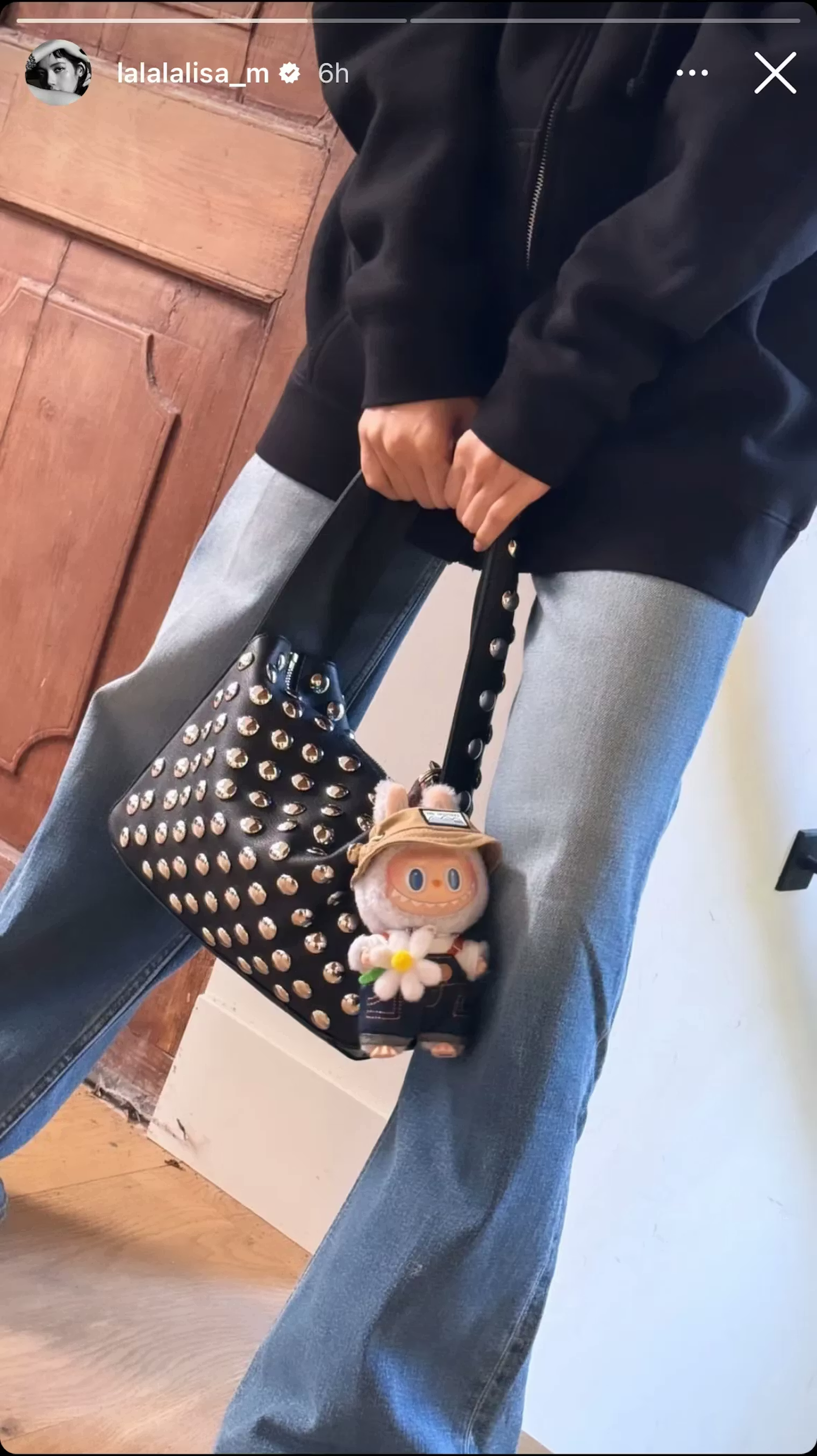
Consumers in the United States who purchased Labubu in 2024 and 2025 did not do so because they understood or valued Labubu's cultural origins. Field research conducted outside Pop Mart's Manhattan flagship store found no consumer-generated evidence of what might be called the Guochao hypothesis: the idea that US consumers were purchasing Labubu as an expression of engagement with Chinese culture specifically. What the consumer interviews found¹² was an access-as-status dynamic: Labubu as an affordable way to participate in a luxury aesthetic. At $22 to $28 for a standard plush charm, the product is indulgent but not financially consequential. Attached to a handbag worth multiples of its price, it functions as a signal of taste without requiring the full investment that taste typically demands.
This is a contemporary version of what economists call the Lipstick Effect: when consumers cannot afford the luxury, they buy the smallest possible luxury instead. Pop Mart did not create a luxury product. It created an accessible luxury signal, priced at a point where the cost of acquisition was low enough to permit impulsive purchase and high enough to register as a considered one. The blind box mechanic introduced a variable reward layer: the neurochemical pattern of the sealed box, the cascade of anticipation and uncertainty, is the same architecture that governs slot machines and social media feeds. Pop Mart built a slot machine that generated a fashion accessory as its prize.
Two consumer segments emerge from this design. Some buyers wear Labubu. The charm hangs from a handbag, sits on a desk, marks membership in a specific aesthetic community. Call them Displayers. Others collect with deeper attachment, tracking specific characters across series, forming relationships that go beyond display. Call them Keepers. Within the Keeper segment, the available data cannot resolve a critical distinction: whether the attachment is to the mechanic (the variable reward of the blind box) or to the character (the specific emotional relationship with Labubu). For the film, this is the distinction that matters. A Keeper who is loyal to the mechanic will not watch the film and recognize something true about her own life in Labubu's story. A Keeper who is loyal to the character might.
What Pop Mart has never needed to determine is which type of consumer is buying. The product worked for both. The feeling was delivered without requiring that the company understand what, precisely, the consumer was feeling. The film requires something the product never did.
Two facts frame what is known about Pop Mart's US position, and they point in opposite directions.
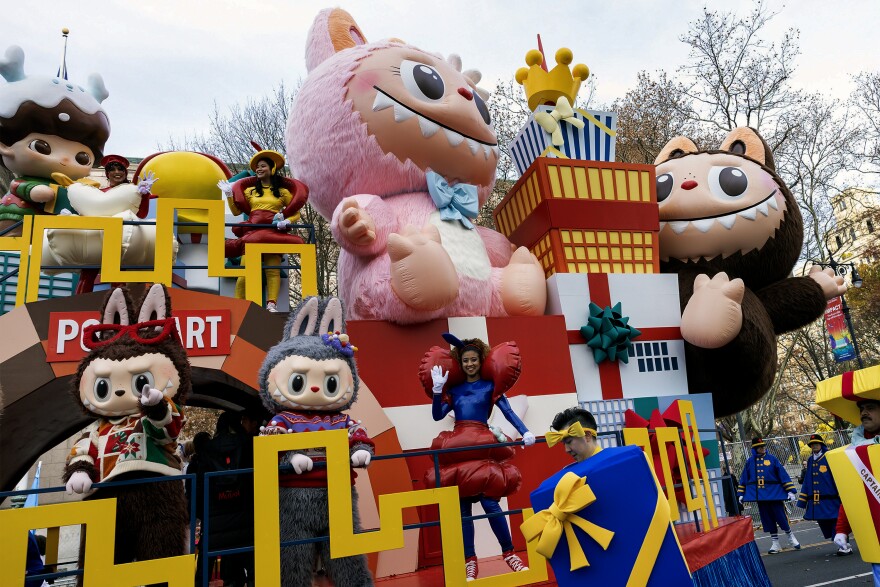
The first is that the permanent retail presence has been built. By the close of 2025, Pop Mart had opened flagship stores in New York, Los Angeles, Las Vegas, and Chicago. On November 27, 2025, Pop Mart debuted its first float in the Macy's Thanksgiving Day Parade, featuring Labubu and other flagship characters in the most traditional family-oriented cultural event in the United States.¹³ In March 2026, the company announced a licensing collaboration with FIFA ahead of the World Cup hosted across the United States, Mexico, and Canada.¹⁴ Both moves represent a transition from viral subcultural moment to institutionalized mainstream presence. They are the kind of placements that take years to negotiate and that no amount of TikTok momentum can shortcut.
The second is that the consumer interest that preceded this retail buildout has peaked and declined. Google Trends data for "Labubu" in the United States shows a sharp spike to peak interest in June 2025, followed by a decline through the remainder of the year that continued into early 2026. By April 2026, search interest had fallen to roughly 7% of its peak.² The stores and the interest are moving in opposite directions. Pop Mart is building permanent retail for a brand whose viral energy, as measured by organic consumer search, is contracting. Whether the stores can generate durable demand after the initial cultural moment has passed is the operational question the company's 2026 guidance declines to answer.¹
The consumer data from the US market reveals a related problem. Fewer Americans are buying for the first time.¹⁵ Those who have bought are buying less often.¹⁵ And the product mix is shifting: plush toy revenue reached approximately $2.6 billion in 2025, a 560.6% year-over-year increase, representing 50.4% of total global revenue.¹ This matters because the blind box and the plush charm are different businesses. A consumer who collects blind box figures is chasing completion: she wants every variation, and the sealed box keeps her coming back. A consumer who buys a Labubu plush charm for her handbag completes a fashion transaction. She does not require twelve variations to feel satisfied. The repeat purchase economics that sustained the blind box are unlikely to transfer to bag charms.
Pop Mart acquired millions of US consumers during the peak of Labubu's cultural heat. Nothing in the 2025 results or the 2026 guidance indicates whether those consumers will remain engaged once the initial acquisition impulse has been satisfied.
Four risks define Pop Mart's US trajectory. The film announcement does not address any of them.
The first is concentration. Labubu and the broader Monsters character line it belongs to generated approximately 40% of Pop Mart's total global revenue.¹ Nothing else in the portfolio is close. Molly, the character that originally validated the blank-canvas IP model, posted below-expectation results.¹ The company's IP pipeline has not demonstrated the capacity to generate a successor to Labubu at comparable scale. When the market sold off after the earnings announcement, it was pricing this concentration. The film, if it produces the kind of audience connection described later in this analysis, could extend Labubu's cultural lifecycle by several years. If it does not, it validates the concentration risk without resolving it.
The second is tariff exposure. Pop Mart manufactures in China and exports to the United States under conditions that have become substantially more expensive since 2024. The company implemented US price increases of 80-100% in mid-2024, pricing the Labubu 3.0 plush charm at $28 in the United States against approximately $14 in China.¹⁵ That pricing spread reflects a combination of tariff burden, US retail overhead, and brand premium extraction. Under existing US tariff provisions and subsequent executive actions, additional tariff escalation is plausible within the film's production and release window. Price sensitivity in this category is by definition limited: if the price increases beyond the "indulgent but not consequential" threshold, the access-as-status mechanism breaks. The company has not publicly disclosed a margin floor or a US pricing ceiling.¹
The third is harder to price. Pop Mart's COO Si De, in an unguarded moment of strategic disclosure, described Labubu as riding a "seven-year tidal wave."¹¹ The seven-tenths-full philosophy, which Si De and Wang Ning have both invoked, holds that Pop Mart should deliberately supply less than demand requires, keeping availability at roughly 70% of what the market would absorb.¹¹ The theory preserves scarcity. The practice is harder to sustain: the supply ramp from approximately 300,000 plush units per month in early 2024 to an estimated 30 million per month by late 2025¹⁵ had already begun to erode the scarcity premium that the brand's early US penetration was built on. The Beanie Babies comparison, which appeared in analyst reports and media coverage following the earnings selloff, is imprecise in detail but relevant in pattern: collectible toys with strong cultural heat, blind box mechanics, and resale market dynamics have historically demonstrated a pattern of short, intense popularity followed by rapid decline. Resale prices for common Labubu editions had already fallen below retail in some markets by late 2025.¹⁵
The fourth is cultural translation, and it is the most relevant to the film. Pop Mart succeeded in the United States without requiring American consumers to know anything about the brand's Chinese origins or to engage with Chinese culture on any terms other than aesthetic ones. The bypassed-culture model worked because the product asked nothing of the consumer's cultural knowledge. A film asks something different. A film requires a filmmaker to make choices about what a character thinks and feels, what emotional problem drives the story, and the context in which a character's central problem exists and can be resolved. Those choices cannot be made on aesthetics alone. Whether Paul King's approach to Labubu will produce an emotional argument that works for a US audience that acquired the brand as a fashion object, without any prior relationship with Kasing Lung's picture books or the forest-creature mythology that underlies them, is not knowable in advance.
Over the past four decades, toy and companion-character IP has produced enough theatrical films to permit something approaching empirical analysis. This study examined 35 films released between 1989 and 2024 in which the primary IP originated as a physical product, the character constituted the film's commercial proposition, and the film received a wide release. The dataset was confined to companion-character IP: properties designed around an emotional relationship with an individual owner or viewer, where what the consumer buys is the feeling, not spectacle or mythology. Action-figure IP (Transformers, G.I. Joe) and franchise play-space IP (Mario, Pokemon as cultural event) were excluded because they operate on different audience mechanics. The broader landscape of 84 toy-IP films, including these excluded categories, is visualized separately and tells a consistent story: prior narrative material does not predict commercial outcomes.¹⁰
Across the 35 companion-IP films, the correlation between prior narrative richness and commercial return, measured as worldwide box office gross divided by production budget (excluding marketing costs, exhibitor splits, and home entertainment revenue),¹⁰ was r = -0.06 (p = 0.72): indistinguishable from zero. Having more story behind a character predicts neither success nor failure. The Smurfs (2011), built on more than fifty years of Belgian comic strips and multiple animated series, achieved a 5.1x return but was critically dismissed and produced a declining franchise. Paddington, drawn from Michael Bond's fourteen novels, worked. My Little Pony: The Movie, drawn from thirty-five years of Hasbro IP including several television series, failed to find an audience beyond its existing fanbase. The variable that does predict outcomes is different, and considerably harder to manufacture.
Robert McKee, in his book Story,¹⁷ defines the controlling idea as the single sentence that expresses how and why life changes from the beginning of a film to the end. McKee's controlling idea is what Paul King finds inside existing characters: the emotional core. It has two parts: a value (what changes, whether for better or worse) and a cause (why it changes). A film with a controlling idea is a film that is about something. A film without one may be entertaining, but it does not leave the audience changed.
For each film in the dataset, this analysis applied a single test derived from McKee's framework: state the controlling idea in one sentence, then ask whether the cause requires the IP. If the IP can be replaced by a different character and the sentence still works, the idea is generic. The IP is decorative. If the IP cannot be replaced, if the cause is bound to something only this character embodies, then the controlling idea and the IP are inseparable.
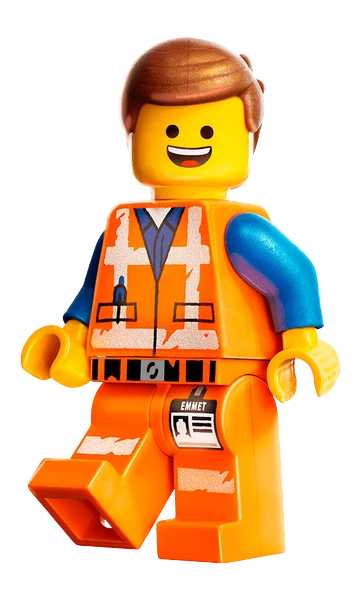
The LEGO Movie: a father learns that controlling a creative child is a form of withheld love (value: love is restored; cause: the system designed for order is repurposed for play). The cause requires LEGO. No other toy is simultaneously a rigid system and an open canvas. Replace LEGO with a different brand and the sentence collapses.
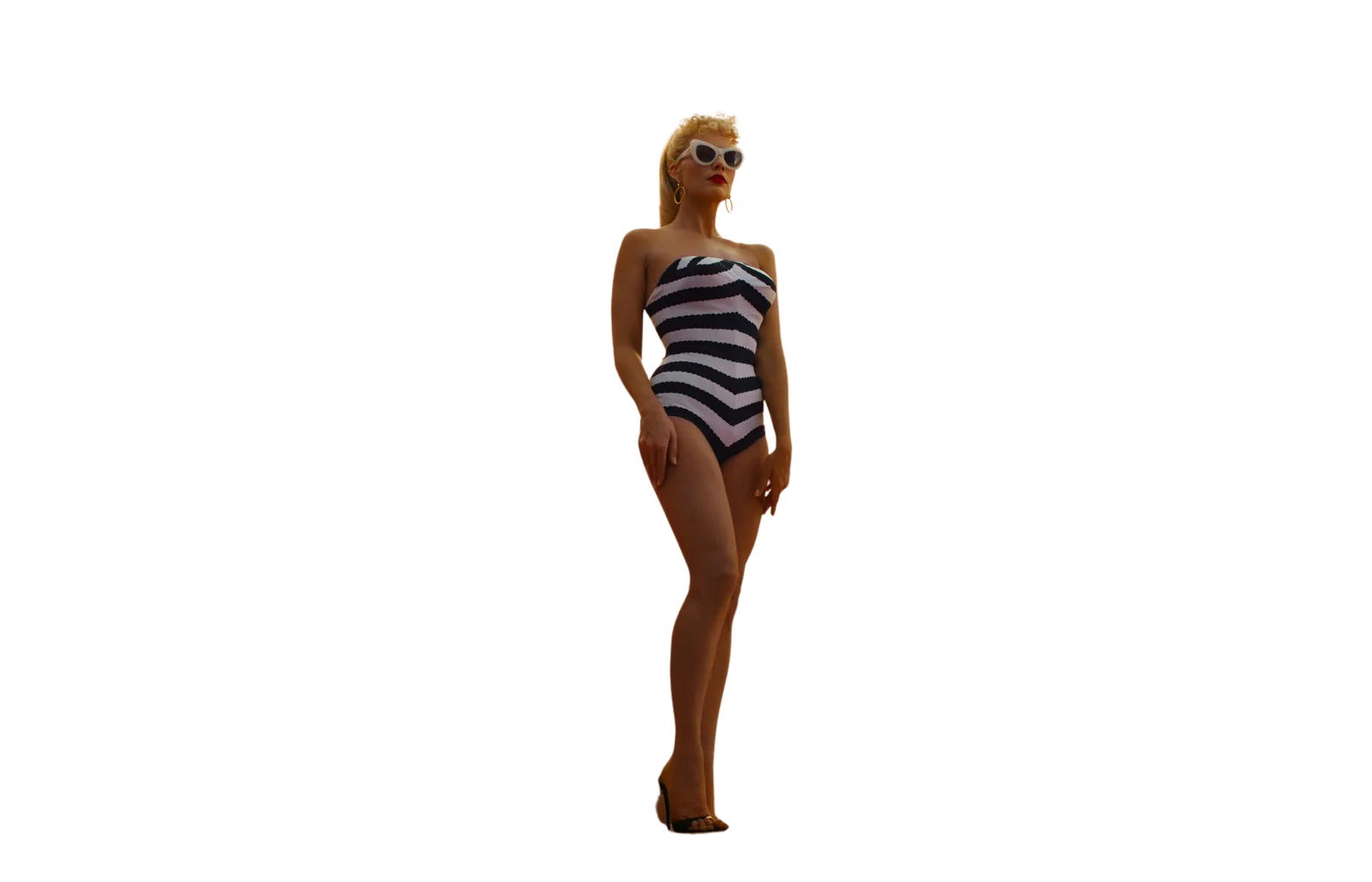
Barbie: self-acceptance is achieved when a woman built to be perfect discovers that perfection was the prison (value: freedom from an impossible standard; cause: the standard was literal, not figurative, because Barbie's body is the standard). The cause requires Barbie. The sentence cannot exist without the cultural weight that Barbie carries.
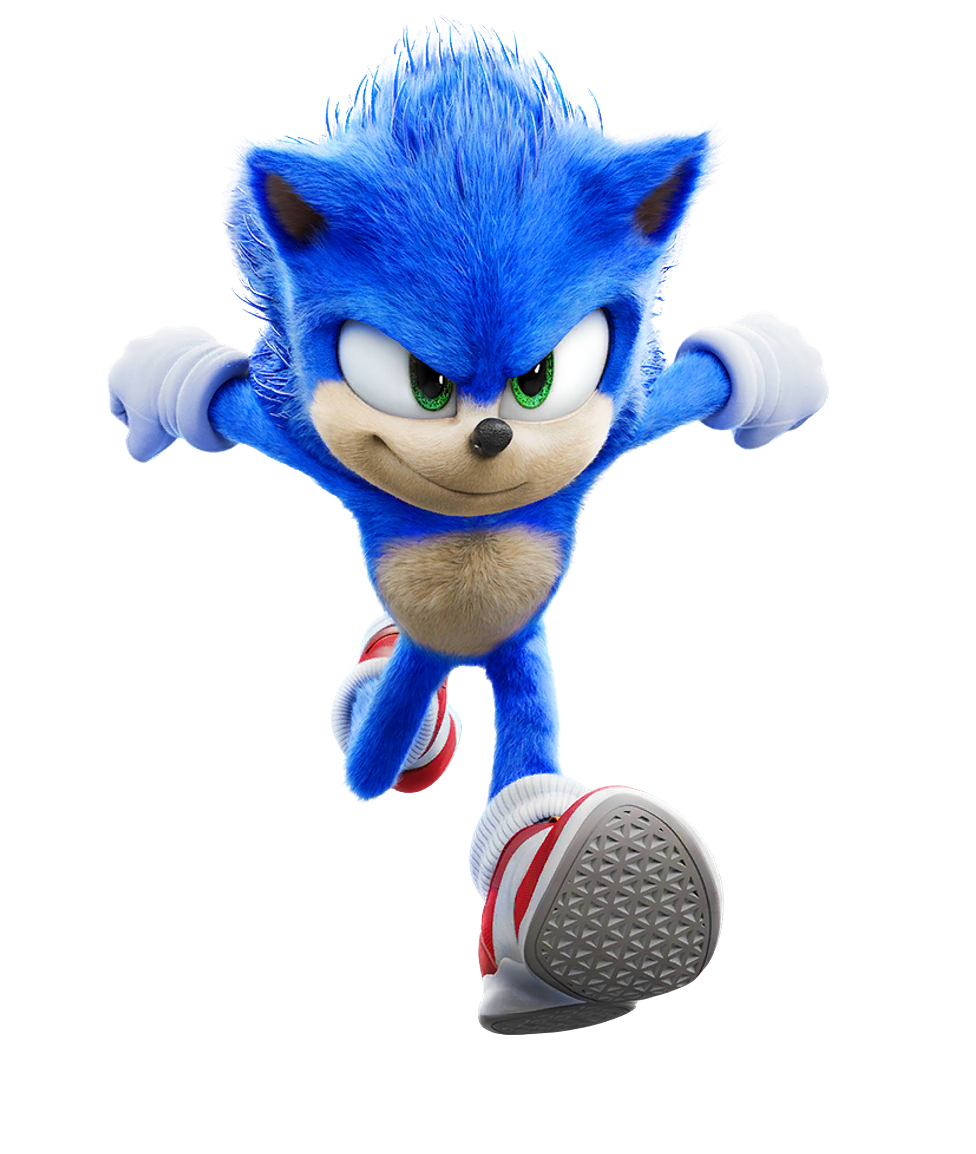
Sonic the Hedgehog: an outsider hides his true nature to avoid rejection and discovers that connection requires exposure (value: belonging; cause: the speed that defines Sonic is the same thing that isolates him). The cause requires Sonic.
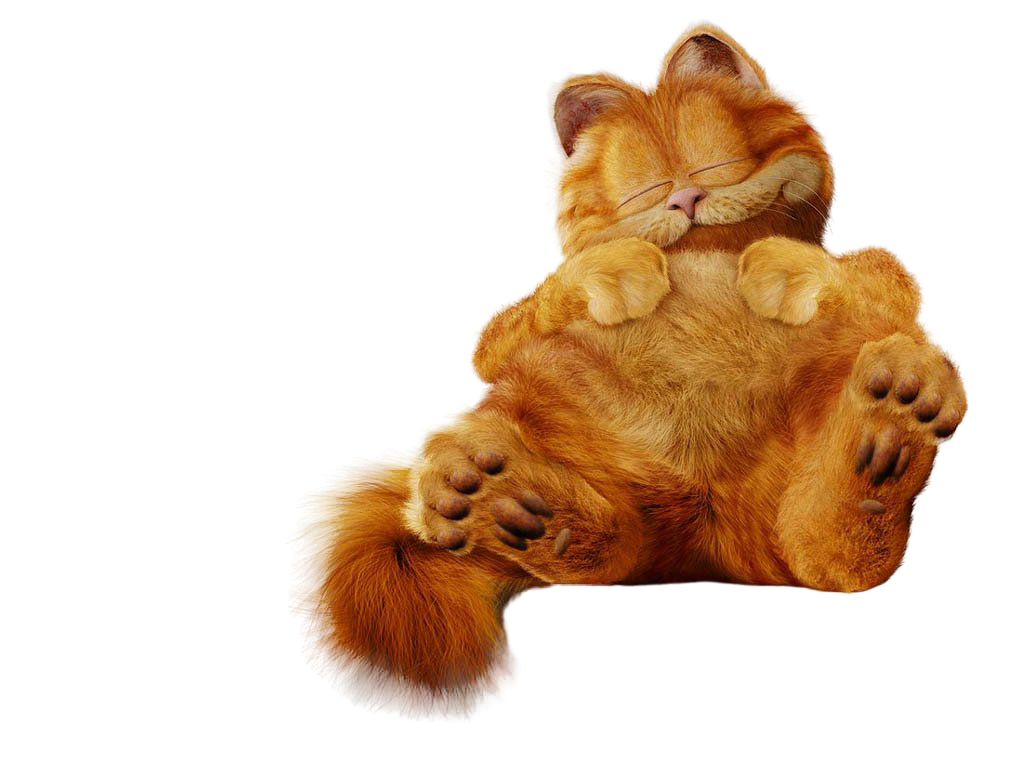
Garfield: a cat is lazy and likes lasagna. In McKee's terms, this is not a controlling idea. There is no value change. The character at the end of the film is the same character at the beginning. The Garfield franchise has produced three films across twenty years (2004, 2006, 2024) with gross-to-budget multiples of approximately 4x, 2.4x, and 4.3x and critical scores between 15% and 37%. Three different studios. Three different creative teams. The same result, with a consistency that suggests the IP itself, not any individual production, is the limiting factor. Garfield's defining trait is laziness. Laziness is not a problem that can be solved inside a film. No version of Garfield can overcome his laziness and discover connection, because overcoming his laziness would make him a different character. Without a problem, there is no controlling idea. Without a controlling idea, there is no value change for the audience to experience.
Films in the dataset where the controlling idea was inseparable from the IP achieved commercial success (a gross-to-budget multiple of at least 2x) in 93% of cases. Films where the controlling idea was generic or absent achieved commercial success in 70% of cases. The gap is meaningful.¹⁸ A multivariate regression found that the presence of an inseparable controlling idea was associated with a 1.40x multiplier on returns. The model is underpowered at n = 35, however, to isolate this cleanly from director quality, budget, and franchise effects. The franchise analysis, which holds IP and budget constant across sequels, provides more reliable evidence.
When a franchise maintains its controlling idea, commercial performance is stable. When it loses the idea, performance declines. This holds across every testable franchise in the dataset.
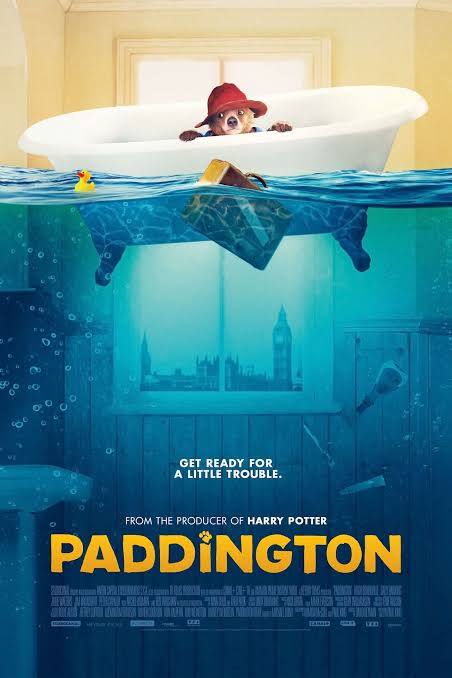
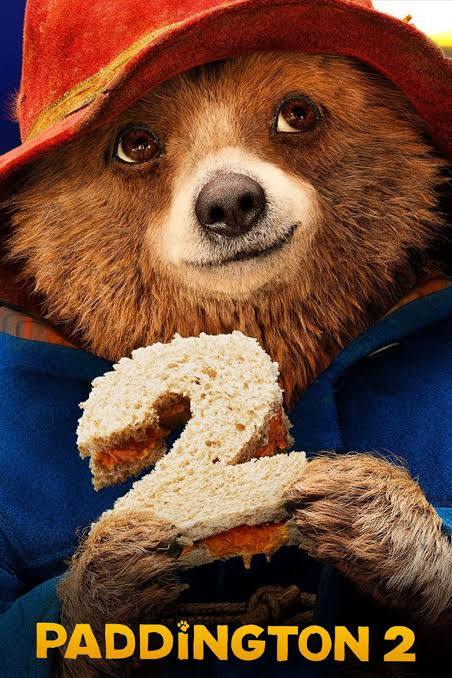
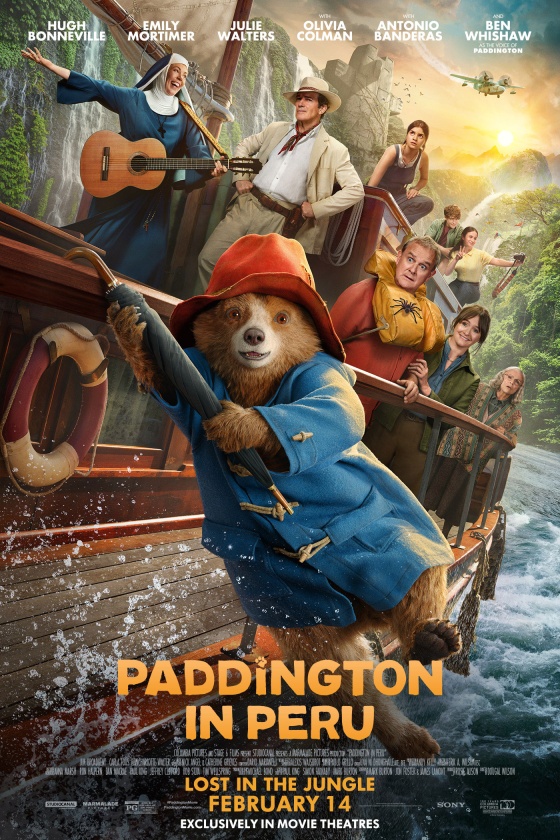
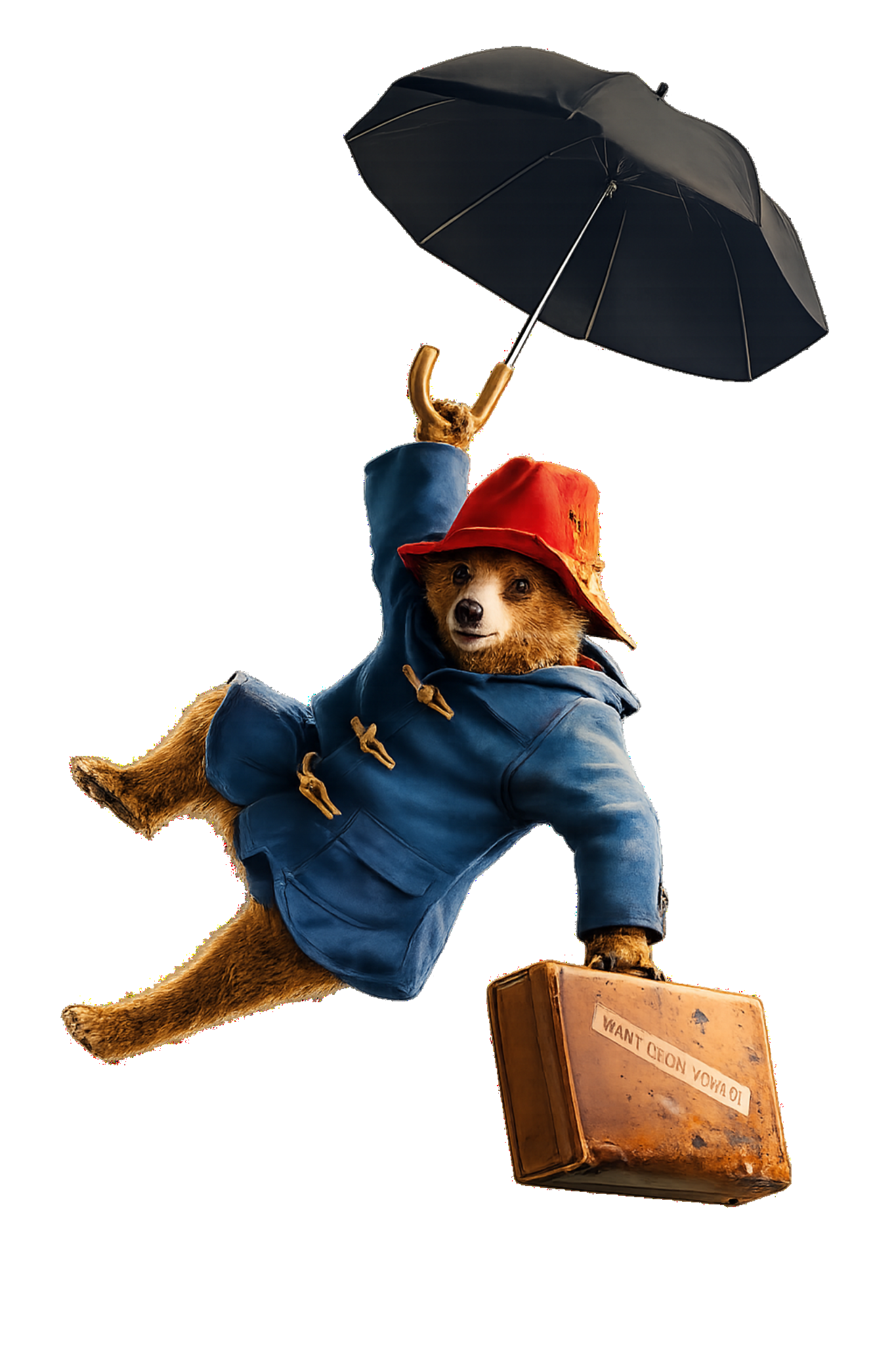
Paddington and Paddington 2, both directed by Paul King with the controlling idea intact, returned 4.9x and 5.7x on production budget respectively. Paddington in Peru (2024), directed by a different filmmaker and with the controlling idea abandoned, returned 1.2x.
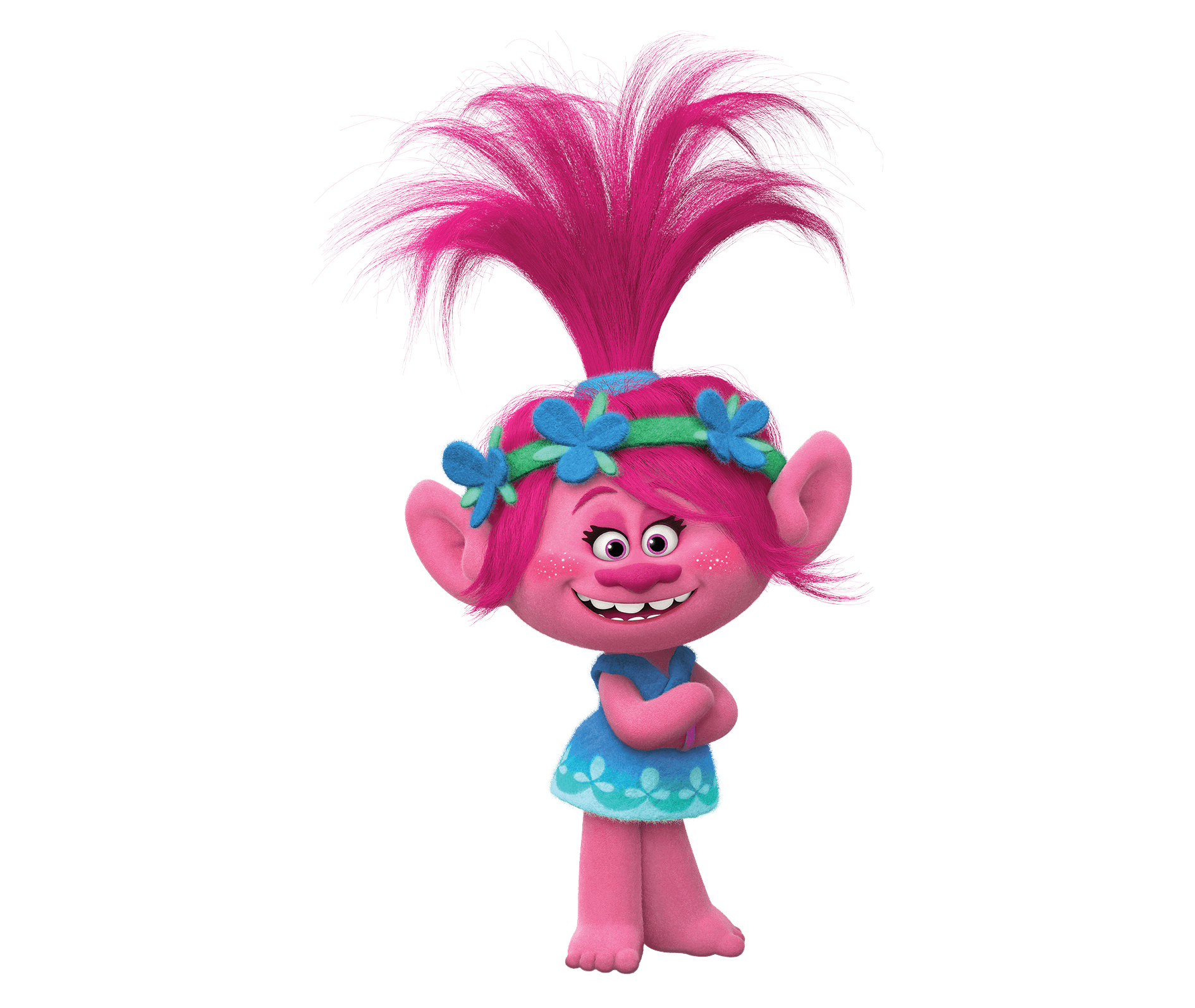
The Trolls franchise opened with a controlling idea: Branch has suppressed his grief and learned that authentic joy requires processing real sorrow. Return: 2.8x. Trolls World Tour replaced that idea with a genre war about musical formats. Return: 0.5x. Trolls Band Together replaced it with a boy-band reunion narrative. Return: 2.2x, a 21% decline from the original's performance, sustained across three films as the idea remained absent.
The Sonic franchise has maintained its controlling idea across all three films, with the rival character Shadow in the third film extending the core problem rather than replacing it. Return: 3.8x, 3.7x, 3.7x. Stable across six years.
The LEGO franchise offers the most controlled comparison because it held all variables constant while varying the controlling idea across simultaneous releases in 2017. The LEGO Movie (2014): filmmaker-driven, controlling idea inseparable from the IP, return 7.8x. The LEGO Batman Movie (2017): controlling idea present (a narcissist discovers that strength requires vulnerability), return 3.9x. The LEGO Ninjago Movie (2017): released the same year, same studio, comparable budget, controlling idea absent. Return: 1.8x. The year, the studio, and the franchise are identical; the controlling idea is not.
Two films in the full dataset achieve very high returns without a controlling idea, and both require accounting for.
Pokemon: The First Movie (1998) returned 32.6x on its production budget. The film has no value change and a 16% critical approval rating. It arrived in US theaters two years after Pokemon became a transnational cultural phenomenon, and its audience was not seeking to be changed by the experience. They were seeking participation in a shared event: collective experience of franchise membership. This is a different audience mechanic, and it defines the scope of the analysis.
The Super Mario Bros. Movie (2023) returned 13.6x with a 96% audience approval rating. Mario contains no accessible problem for a filmmaker to build a controlling idea around. The film works because the franchise is not a character with an interior life but a participatory mythology: a play-space that multiple generations have inhabited. The audience score is viewers rating their own memories of playing, not the film's emotional content. The controlling idea framework predicts outcomes in companion-character IP. It does not apply to franchise play-spaces or participatory cultural events.
Some characters cannot support a controlling idea, regardless of directorial quality or budget. Garfield's consistency across three films and twenty years demonstrates the ceiling: a defining trait that cannot change cannot generate a problem, and without a problem there is no controlling idea.
The Sonic franchise demonstrates the contrast. Sonic's defining quality, speed that creates isolation, is inherently a problem. Isolation can be resolved. Three films, all with controlling ideas inseparable from the IP, all with returns near 3.7x. One character has a trait that can only be confirmed. The other has a problem that can be solved.
Labubu's defining quality, as Lung's picture books present it, is mischief layered over vulnerability: a character who intends kindness and produces harm, who wants to belong and keeps failing to belong. That quality contains an accessible problem. It is, by this analysis, closer to Sonic than to Garfield. Whether that problem holds when a filmmaker interrogates it for ninety minutes is beyond the dataset's reach.
Paul King has directed three films within this analysis: Paddington, Paddington 2, and Wonka. All three pass the swap test: replace the IP with a different character and the controlling idea collapses. All three returned above 4.5x on production budget. No other director in the dataset has produced three consecutive films with inseparable controlling ideas. The average return across the three is 5.2x.
This is evidence of a capability: taking an IP with a fixed audience expectation and finding, inside that IP, a controlling idea that the source material had not yet made explicit. Bond's Paddington is a competent, confident bear. King found a different bear inside the same IP, one who carries the anxiety of the outsider whose goodness the world has not yet recognized. He located a problem that the source material contained only in latent form, made it the film's center, and then resolved it. His job on Labubu is the same: Kasing Lung's picture books contain the seed, the mischievous forest creature who cannot fully control the effect he has on others. King's task is to find the controlling idea, and the seed is there.
The model built from this dataset explains 22% of the variance in commercial returns across companion-IP films. That means 78% of what determines whether these films succeed is not captured by production budget, prior narrative richness, director track record, franchise installment number, creative origin, or the presence of an inseparable controlling idea.²⁰
Given an estimated $150 million production budget (based on comparable hybrid live-action/CGI films) and Paul King's track record, the comparable cases suggest worldwide gross in the range of $800 million to $1 billion if an inseparable controlling idea is achieved. This range is derived from the median and upper quartile of films in the dataset that share three characteristics: budgets above $100 million, directors with at least one prior controlling- idea success, and an inseparable controlling idea present. Comparable cases without that idea, at similar budget and directorial quality, suggest $600 million to $750 million. Both scenarios constitute commercial success for Pop Mart. The difference between them is the difference between a film that validates the brand and a film that transforms it.
The dataset cannot determine which scenario occurs. The determining variable is not in the data. It is whether Pop Mart gives Paul King the latitude that Paddington Books gave Paul King: the latitude to find something true inside Labubu and refuse to subordinate it to brand management.
Pop Mart built its business by distributing a feeling it never needed to understand. A film cannot do that. A film must commit to a controlling idea, hold it for ninety minutes, and hope the audience recognizes themselves in it. That is a categorically different kind of production problem from running a blind-box program or managing a resale market.
The mechanism that the highest-performing films in this dataset share is what separates outlier returns from adequate ones.
The audience comes for the brand. That is what sells the opening weekend: recognition, anticipation, the accumulated goodwill of whatever relationship the audience already has with the IP.
The audience stays for the controlling idea. That is what fills the second act and generates the word-of-mouth that determines whether a film earns its gross in week one or across twelve weeks.
The audience credits the brand for the experience. They do not leave Barbie attributing their experience to the craft of Greta Gerwig, though the craft is what made it possible. They leave attributing it to Barbie. The IP absorbs the credit. It becomes, in the audience's memory, the thing that understood something true about their life. That credit transfer is why The LEGO Movie produced a franchise and The LEGO Ninjago Movie did not, despite sharing a studio, a brand, and a release year. It is why Paddington 2 outperformed Paddington rather than declining, as sequels typically do. The controlling idea had deepened. The audience credited the bear.
The company may not have framed it in these terms. But what Pop Mart is deciding is whether Labubu gets to be the thing the audience credits for understanding them. That is not a question Paul King can resolve through filmmaking alone. It is a corporate governance question about how much of the character's ambiguity, vulnerability, and interior life Pop Mart is prepared to expose in a film, knowing that the exposure is what produces the credit transfer. Across the thirty-five films in this dataset and four decades of companion-IP releases, brands that withheld the problem to protect the image found that the audience withheld the credit in return.
The question, then, is not whether a Labubu film can produce a billion-dollar franchise. The question is whether the company that built a billion-dollar business by distributing a feeling it never needed to understand can, for the first time, afford to understand it.
¹⁸ The controlling idea coding in this analysis applies Robert McKee's framework (Story, 1997) to assess whether a film's controlling idea is inseparable from its IP. The coding was performed by a single analyst, not two independent coders against a formal protocol. A rigorous design would use stratified audience review samples per film, two independent coders, and Cohen's kappa above 0.7 before proceeding. The binary proxy used here is a tractable approximation. Borderline cases required judgment calls. The core findings are unlikely to change under more rigorous coding because the distinction between inseparable and generic controlling ideas is typically unambiguous. Independent replication is recommended before these findings are treated as conclusive.
¹⁹ The Garfield consistency is treated here as descriptive, not as a causal claim about the IP's limitations. A rival explanation is that Garfield consistently attracts studio-driven, IP-exercise productions rather than filmmaker-driven ones, and the result reflects creative origin rather than character properties. Both explanations may be simultaneously true.
²⁰ The model explains 22% of variance at n = 35 with six predictors. The prediction interval at 95% confidence for a new observation spans approximately plus or minus 1.5 log-ROI units, corresponding to roughly a 4x range in dollar outcomes. The cited figures are central estimates from comparable cases, not reliable point forecasts.
Metric note: gross-to-budget multiple throughout refers to worldwide theatrical gross divided by reported production budget. Marketing costs, exhibitor splits, and home entertainment revenue are excluded. This is standard industry shorthand, not a profit figure.
¹ Pop Mart Annual Results Announcement, year ended 31 December 2025, filed HKEX, March 2026. ² Google Trends, "Labubu," United States, relative search volume, accessed April 2026. ³ Pop Mart / Sony Pictures joint press release, March 19, 2026, as cited by Xinhua; Screen Daily (Justin Kroll / Deadline), December 18, 2025. ⁴ Wang Ning statement, Xinhua wire service, March 29, 2026. ⁵ PKU Guanghua School of Management case study (Zhang Yichi, Wang Xiaolong), 2020. ⁶ Li Xiang, Because of Uniqueness, 2023. ⁷ Jiemian News, 2020. ⁸ 36Kr, early 2026. ⁹ CCTV Finance interview, March 21, 2026. ¹⁰ Box Office Mojo; The Numbers. All return multiples, critical scores, and audience ratings in Sections III and VII derived from these sources unless otherwise noted. ¹¹ Si De statements, 2025 industry interview. Source publication not independently confirmed; quoted as recorded by Asia Aisle. ¹² Field interviews, Manhattan Pop Mart flagship, 2025. Informal sample; not a structured survey. Findings reflect the interviewed population only. ¹³ Pop Mart press release, November 2025. ¹⁴ Pop Mart / FIFA announcement, March 2026. ¹⁵ Consumer Edge financial telemetry; Deutsche Bank; Morgan Stanley (Dustin Wei team). Transaction frequency, first-time buyer, pricing, and supply volume data derived from these sources. Some figures are composite estimates. ¹⁶ Asia Aisle IP Lab analysis of the 35-film companion-IP dataset. Correlation and regression results are original to this study. ¹⁷ Robert McKee, Story (1997). ¹⁸ ¹⁹ ²⁰ See Methodology Notes above.